Renovating for profit
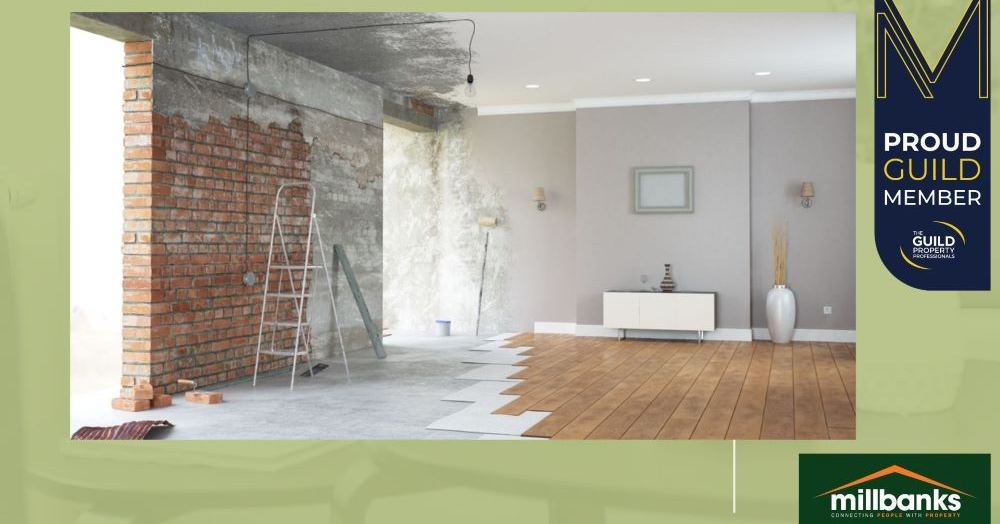
Many property investors dream of taking a run-down property and turning it into a beautiful home. Not only is there a great sense of achievement to be had, but money can be made in property renovations. Finding the right home and spending the right amount of money can lead to healthy returns.
Here is our guide to making money from property renovations:
How to choose a property
Properties in need of renovation go on the market in two ways:
- Through auction
- Via an estate agent
Contacting estate agents
It is worth contacting all the estate agencies in your preferred areas, making it clear that you are serious about buying a renovation project. Agents will be able to alert you when suitable properties come to the market, and you will be the first person they call when they take on a relevant property.
Auctions
Auctions require less waiting but they can be more competitive. Unconverted properties are highly sought-after by investors, so guide prices can quickly be exceeded by eager developers. Be sure to set a price limit and don’t go over your ceiling price. Other properties will turn up if you aren’t successful this time, and it is far better to miss out than to lose money during the project.

Before you buy
A thorough inspection of the property is crucial before making an offer.
Research the area. What are similar properties selling for when they are in good condition? Could you achieve even more with a new, clean finish? How long does it take for properties of this type to sell? Rightmove can be very helpful with house prices and other statistics. Be realistic with figures.
If you need further help, get in touch with your local Guild agent to explain your plans, ask for advice, and remember to invite them for a valuation when the project is completed. They can also give guidance on the types of properties that are most popular at the moment.
Setting a budget
Setting a realistic budget is crucial to ensure a profit. Nearly all renovators spend more than originally anticipated. Therefore, add a 10-20% contingency fund to your budget.
Don't forget to factor in the cost of fees and Stamp Duty. For second homes, there is an additional Stamp Duty charge of 3% on homes up to the threshold of £500,000, so don’t forget to include this in your forecasts.

Before work starts
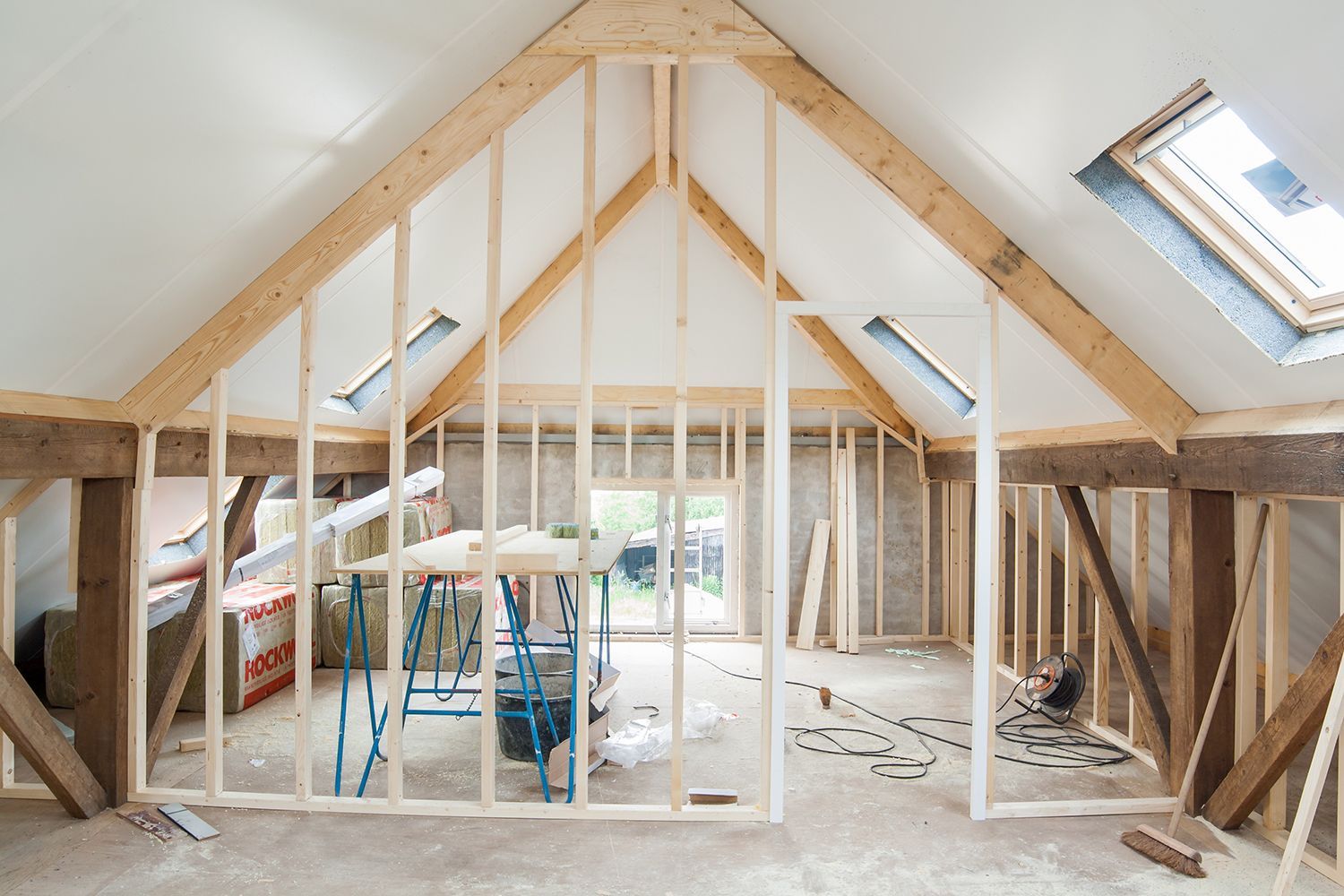
Many renovations are not properly planned, which can lead to higher costs and a lower-quality finish. Making changes part way through the work will mean certain steps have to be re-done. It is worth hiring the services of a professional at this stage.
Follow these tips for hiring experts:
- Consult professionals before you start renovating: town planners, contractors, attorney, project managers and the bank.
- Make sure to check zoning, building lines, by-laws and regulations before you decide on any additions to the property.
- Investigate funding options. Work out how much money you have to spend and where it is coming from.
- Consider an emergency backup fund in case the project runs into difficulties, such as requiring a new roof or boiler.
- Have a proper legal agreement drawn up to cover timelines, delays, payment systems, costings, and disputes.
- Unless you absolutely have to, don’t complete the work yourself. A lack of professional experience and outside opinions may lead to a poorer quality finish.
- Consider hiring a project manager to oversee building work and don’t forget to visit the site regularly to ensure the work is carried out to a high standard and is delivered on time and within budget.
- Don’t under estimate how much work and energy is required. Even if you’re not doing the work yourself, organising contractors and making endless decisions can be tiring.
Other things to consider before getting started
- Do not build or renovate without approved plans. The council has the right to demolish an unauthorised building.
- Visit your neighbours before your plans are drawn up and have a discussion with them about what you want to do. This will save unnecessary objections later.
- Plan, plan, plan. Grand Designs presenter Kevin McCloud recommends spending three years on the planning and then six months on the building work. This may be excessive for investors looking to turn around a property quickly, but it certainly shows the importance of making calculated decisions before moving forward.
- Get three quotes for every job to ensure that you are getting a good price for work completed.
Once the work starts
- Keep areas partitioned to make sure mess doesn’t spread. If there are different areas being worked on simultaneously, it pays to tape or nail heavy plastic sheeting across doorways, archways and any connecting passageways to contain dust and noise.
- Cleaning should be constant throughout the job. Take away dust as it accumulates and vacuum as much as reasonably possible. Workers should be happy to help accommodate, as it will create a cleaner environment for them and means that they'll be breathing in less dust.
- Offer tradespeople a bonus if they complete work on-time or early to ensure they are motivated to work efficiently.
- Be polite and friendly to your tradespeople. Maintaining a good relationship and seeing a friendly face regularly can help to improve morale. Providing snacks and treats is a good idea. Motivating a team to do a good job for you will ensure a higher-quality finish.
Finishing touches
- Think about the quality of the finish. Who is your buyer going to be? If they expect luxury, spend a lot on the kitchen appliances. If they’re a first-time buyer, basic appliances will be acceptable.
- Decorate well, but without too much personality. Keep the walls neutral and accessorise with colour. This way, the purchaser can easily put their own stamp on the home without the extra cost.
- Instruct a Guild agent to sell the home. These are local property experts who know the market, so they can advise on the best time to sell.
Once your renovation is complete, read through our Guides to Selling to ensure you get the best service and price possible to maximise profits.
Source: The Guild